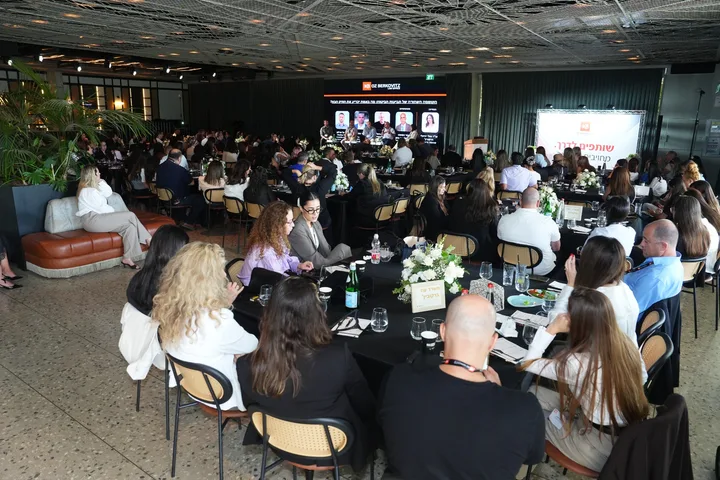
Highlights from the firm’s first professional conference on insurance, artificial intelligence and legal responsibility, with presentations, a multidisciplinary panel and a mock trial.
Assessing liability for an AI-related loss requires scrutiny of the decisions surrounding the technology: who selected it, what safeguards were required and whether the alleged failure caused the damage.
War, disrupted trade routes and changing terms demand a coordinated review of the original insurance, the reinsurance programme and the evidence supporting each claim.
Artificial intelligence can change a business process before the rules governing it are settled. For insurers and their clients, the immediate challenge is to establish who makes the decision, who bears the risk and what evidence will remain if that decision is challenged.
Piccali offers a useful starting point for analysing the boundaries of motor property cover. Applying it to a driverless vehicle requires a separate examination of the policy, the operating model and the statutory protection of bodily-injury claimants.
English summary of updated National Ethics Committee Opinion 60/24: professional responsibility, verification, confidentiality and client communication.